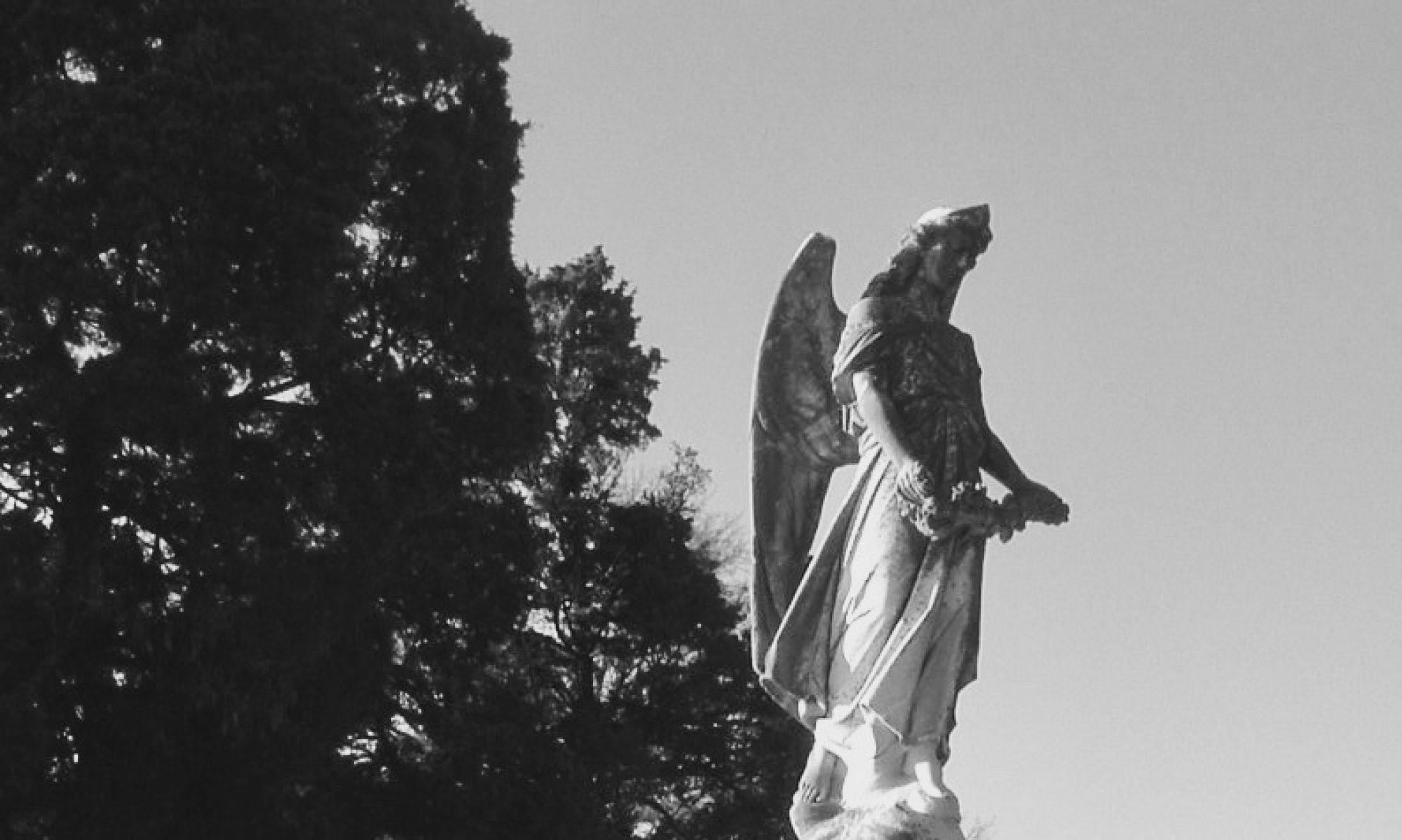
Moore Hall
Western Carolina University
Cullowhee, North Carolina
Campuses across the country and around the world are places rife for ghostlore. Students have just left home for the first time in their lives, the real world is scary, there is trauma entering into adulthood, being surrounded by strangers…these things help shape the world of colleges and universities. Campuses are frequently the breeding ground of scary stories of murder, suicide, and failure, often involving death.
Western Carolina University’s Moore Hall has been mothballed for many years. The oldest building on campus, it was constructed between 1917 and 1924, when the building opened as an all-female dormitory. Part of the building served as a cafeteria starting in 1931 and the basement was utilized as a campus infirmary. There are also rumors that the basement served as a morgue during this time, though that is doubtful.

For a couple years around the time of Moore Hall’s closure I was a semi-frequent visitor to the campus. As I drove past, the building seemed mysteriously swathed in shadow and my fertile imagination was piqued. My friends, one of whom was a university administrator, said it was known through official channels that the building was haunted. He told of how campus police were called out late at night to check on sounds emanating from the supposedly sealed building. A few pursued the sounds of someone, or something, moving around inside. My friend said the police logs were full of calls regarding the structure.
Within the student grapevine, rumors regarding the building have been a campus mainstay for generations. The most common tale says that a dreadful murder occurred here back in the 1920s or 1930s, when this was a dormitory. A pair of roommates stayed on campus during a holiday break. One evening, one went for a shower and after a short time, her roommate began to hear groaning and scratching outside the door. Out of fear, the girl locked the door and stayed put. Eventually, she opened the door to find her roommate’s body lying in a pool of blood with her throat slit. The story has mostly remained the same with a few variations including the identity of the perpetrator and the date of the murder. Over time, students have experienced disembodied crying and screams emanating from the third floor.
Another story has also emerged to explain the supernatural crying saying that it is from a student who committed suicide after her boyfriend was killed in World War II.

Subsequent searches for newspaper articles or police files regarding these incidents have come to naught. The story has many of the hallmarks of classic campus ghost stories and similar stories are found on many other campuses.
Regardless, students still regularly attempt to break into the building in search of thrills and perhaps a ghost. Campus police have issued warnings that anyone caught breaking into the building will have charges pressed. It’s not hard to imagine that perhaps something lingers in the old, shadowy building.
Sources
- Jonell, Jean-Marie. “Halloween brings Western ghost stories to the front burner.” The Western Carolina Journalist. 30 October 2011.
- Mitchell, Rachel. “Murder? Or just another ghost story?” Western Carolinian. 10 November 2006.
- Ross, Austin. “WCU forgotten: Story behind the Moore building.” The Western Carolina Journalist. 11 May 2023.
- Smith, Haley. “Cullowhee: haunted or hoax?” The Western Carolina Journalist. 26 October 2016.
- “Strangeville: Moore Hall’s Haunted Reputation.” 828NewsNow. 12 October 2025.

